
Look it up instead of asking
E-mobility is full of abbreviations, and behind most of them sits a decision that costs money or earns it. Here are the terms that turn up in quotes and contracts, together with our material, the most frequent questions and the field reports from the blog.
The terms that appear in your quote
Twenty terms from billing, grid and technology — explained briefly, without marketing. Type to filter.
- AFIREU regulation
- Alternative Fuels Infrastructure Regulation. Since 13 April 2024 operators of publicly accessible charge points must, among other things, offer ad-hoc card payment at new stations — with a terminal at DC points from 50 kW, at least by QR code below that.
- Auto-ChargeAuthorisation
- The vehicle is identified by its ID when the cable is plugged in and the session is released automatically. No card, no QR code, no app — in a truck depot with changing drivers this is the difference between working and not working.
- CDRCharge Detail Record
- The record of a single charging session: time, duration, energy, charge point, user, tariff. CDRs are the basis of every invoice and every report — at ENIO they are available through the REST API and as an export.
- CPOCharge Point Operator
- The operator of the charge points. Responsible for technology, availability and price at their stations — and decides which mobility providers may charge there.
- DisagioBilling
- The percentage a billing provider keeps from the net amount of a session. At ENIO typically eight to nine percent, or four cents per kWh — shown per transaction, not as a lump sum.
- Dynamischer PreisTariff
- A charging price that adapts automatically — for example downwards when your own PV system has surplus. Electricity sold cheaply beats a curtailed system.
- EichrechtMetrology law
- The legal requirement that the billed energy is measured verifiably and documented so it can be traced to the customer. Without a compliant meter you may bill per kWh — just not with legal certainty.
- EMPE-Mobility Provider
- The mobility provider that issues the card or app to the driver and bills them. They set the end-customer price — not the operator of the charge point.
- EVSE-IDIdentifier
- The unique identifier of a single charge point, for example
AT*ENI*E1150*01*3. Needed for roaming, funding, the GHG quota and registration on ladestellen.at. - LastmanagementGrid
- Distributing a limited grid connection across several charge points. Instead of charging everything at full power, capacity is allocated by need and departure time — which lowers the grid provision charge and the capacity price.
- LeistungspreisGrid tariff
- The part of the grid tariff tied to the highest measured demand, not to consumption. From 2027 it is measured on grid level 7 against the highest quarter-hour in each calendar month — every single peak then counts.
- MandantPlatform
- A customer’s separated area in the backend, with its own users, rights, prices and invoices. A group can run several legal entities and sites in one tenant and still bill them separately.
- NetzbereitstellungsentgeltGrid tariff
- The one-off charge a network operator bills for the agreed connection capacity, in euros per kilowatt. Between roughly €167 and €294 per kW depending on the Austrian grid area — halve the capacity you need and you halve this item.
- OCPIStandard
- Open Charge Point Interface. The open standard between operators and mobility providers — roaming, tariff information, availability and CDR handover run over it.
- OCPPStandard
- Open Charge Point Protocol. The open standard between charge point and backend. Anything speaking OCPP 1.6 or 2.0 can be controlled vendor-independently — and the backend can be replaced later without swapping hardware.
- Plug & ChargeISO 15118
- The vehicle identifies itself to the charge point when plugged in, using a certificate stored in the car. No card, no app. Where the hardware cannot do this yet, auto-charge with a stored vehicle ID serves the same purpose.
- RoamingBilling
- Charging with another provider’s card at someone else’s station. The mobility provider pays the operator the agreed price and bills its own customer. ENIO negotiates these prices bilaterally per partner rather than through one blanket offer.
- THG-QuoteRevenue
- The greenhouse gas reduction quota: electricity sold at public and semi-public charge points can be certified and sold to companies under a quota obligation. Up to 10 cents per kWh in Austria in 2026, and 13 cents expected for 2027 — revenue that is otherwise left on the table.
- WertbonSales support
- A credit a dealership loads onto a charging card, valid only at its own charge points. The new-car customer charges there for free until it is used up — afterwards the same card continues at the normal tariff everywhere.
- ZählpunktGrid
- The metering point where the network operator measures. Anyone running charging infrastructure in a residential building needs a dedicated metering point — which removes the need for individual tenant contracts.
No term matches.
Where to find what
Downloads & videos
Company presentation, truck charging, Charge@Home, the 8-point checklist and the payment station datasheet — plus the film from the Wolkersdorf charging park.
Learn more →FAQAnswers to the usual questionsFrequently asked
From hardware through roaming and metrology law to group billing — collected and answered.
Learn more →BLOGFrom live operationsBlog
Field reports on charging infrastructure, billing and operations — from people who run sites rather than write about them.
Learn more →Most recent
The most recent posts from the blog.
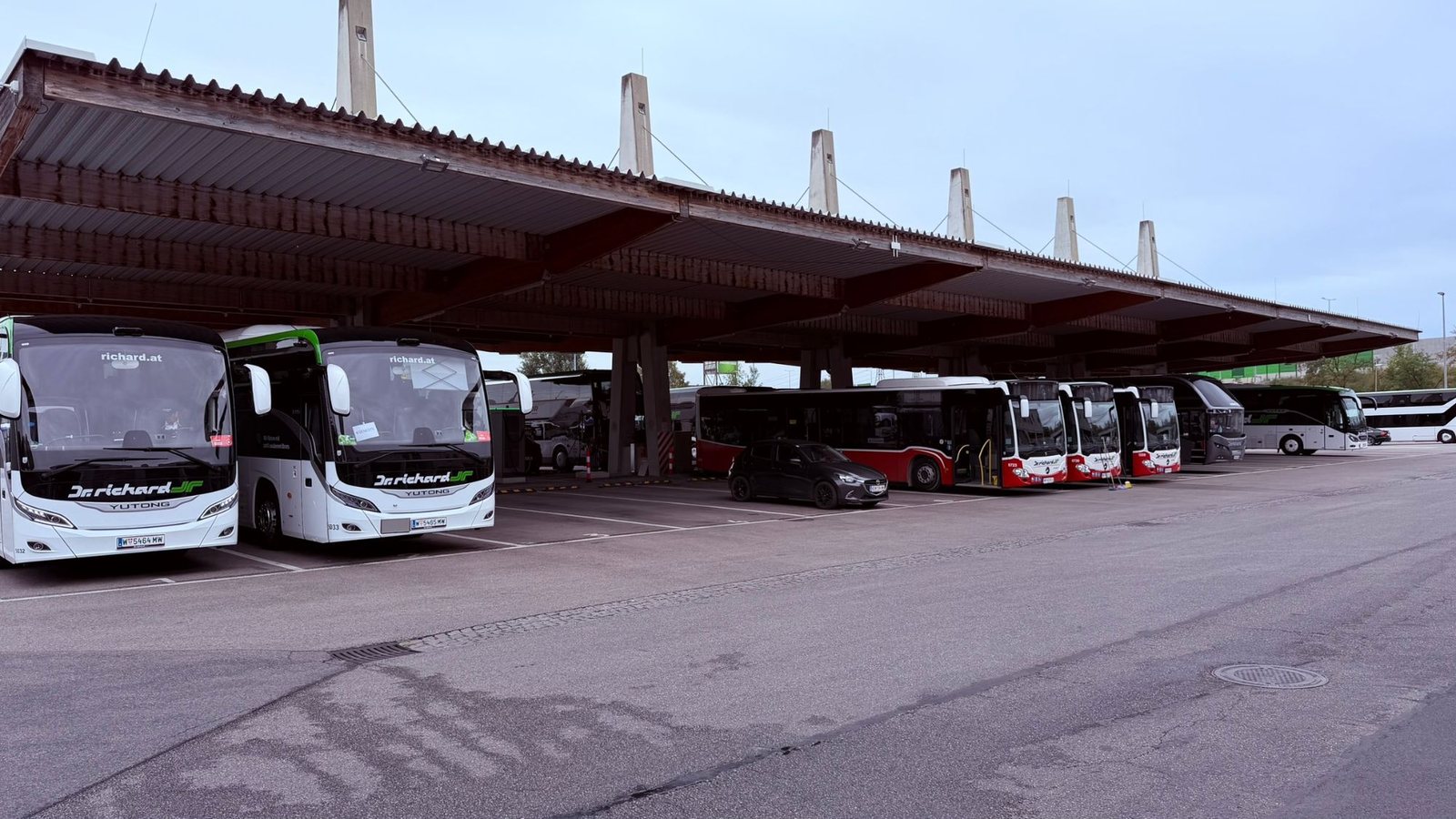 ENIO and Dr. Richard Reisebus Wien: a strategic partnership for e-mobility in bus transportENIO is a strategic partner of Dr. Richard Reisebus Wien in the field of e-mobility. The collaboration covers the operation of all internal, semi-public and public charge points of Dr.…Read on →
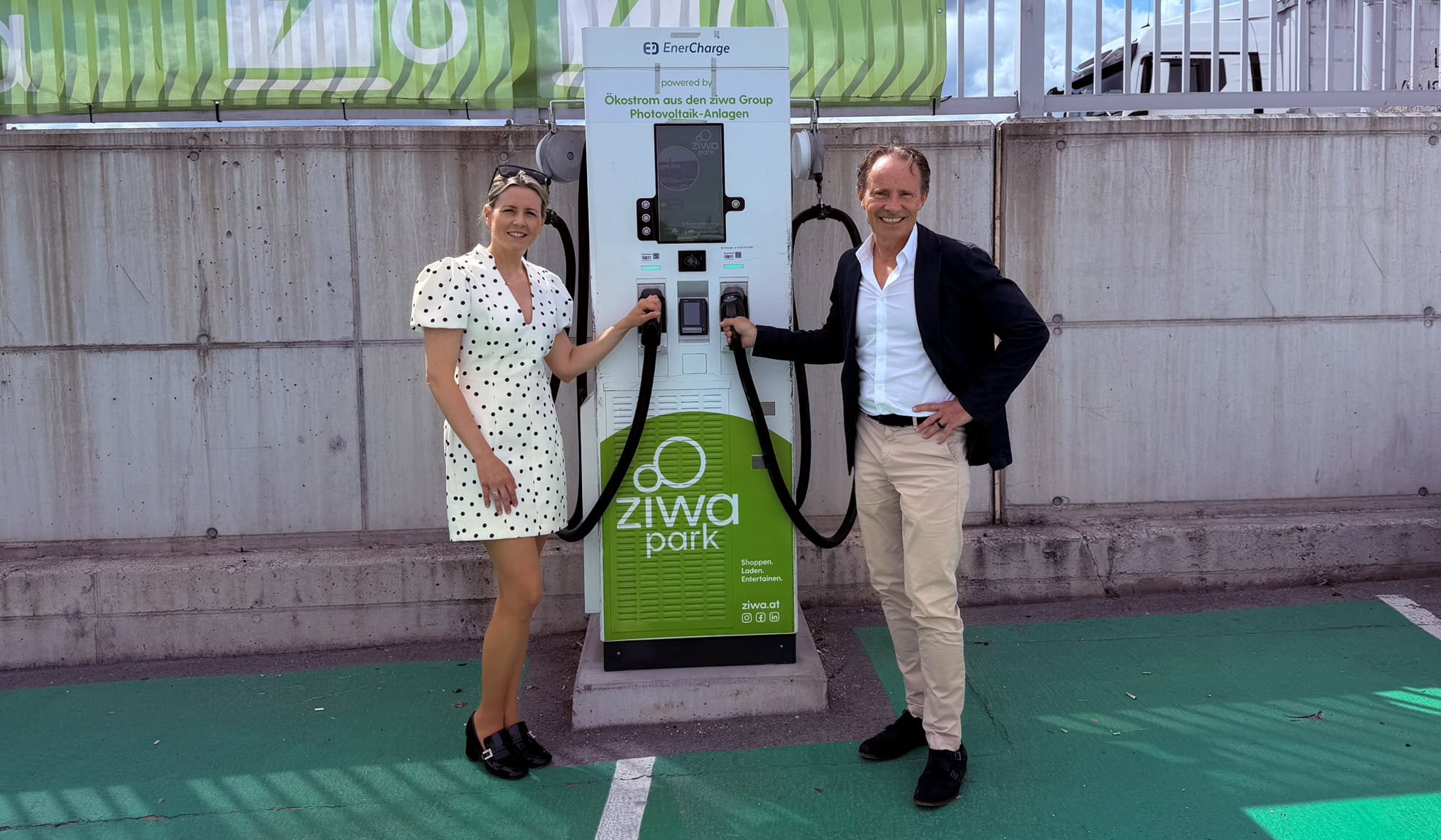 ziwa Group puts more weight on electric mobilityFor around thirty years the ziwa Group has been one of the established developers and operators of commercial property in Austria. At the centre of it are the ten ziwa parks in Lower…Read on →
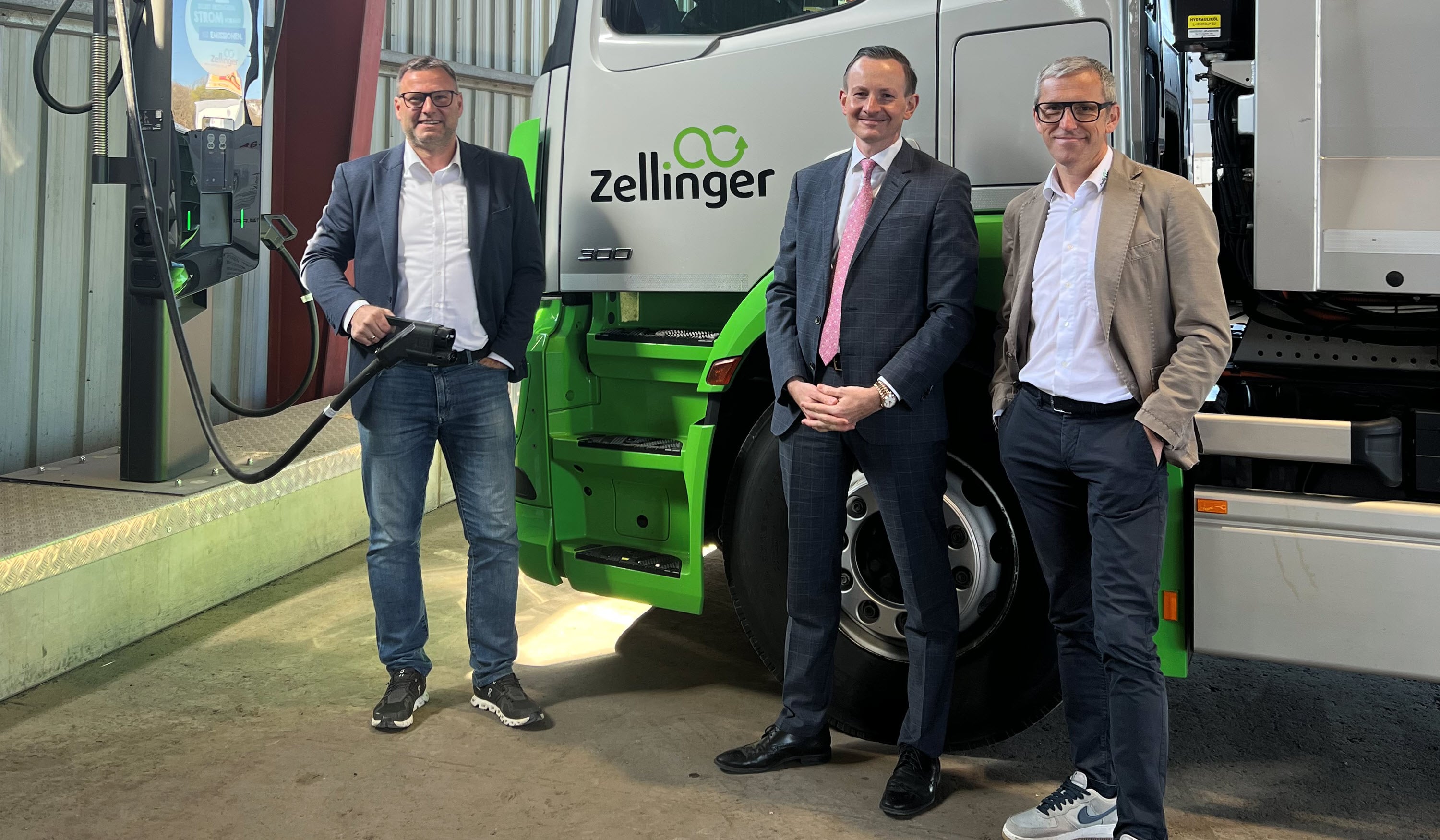 Electric mobility at the haulage company ZellingerWaste management faces a double challenge. On one hand it makes a substantial daily contribution to the circular economy and to conserving resources. On the other, transport with heavy…Read on →