More than 70 partners, negotiated bilaterally
ENIO is technically connected to every relevant roaming platform and holds direct links to the largest networks. On request ENIO issues invoices in the operator’s name, credits periodically and reimburses energy costs as agreed.
Your own tariff, with no roaming in between. For employees it can simply be free.
Every card works. ENIO locks none out — not even the cheap ones.
Platform or direct contract
A roaming session can reach your charge point in two ways. Switch between them and see what changes.
Every provider accepts the same published price. Convenient — and the discount card pays exactly what the premium fleet card pays. The difference stays with the provider.
A bilateral contract beats “offer to all”
Roaming works in two ways. Through a platform such as Hubject you publish an offer to all — one price any provider can accept. Convenient, and it means the same price for the discount provider as for the premium fleet card. ENIO instead negotiates with each partner individually.
A price per partner, not one for all
A provider that sells at a high price to its own customers can also pay the operator more. With an offer to all the provider keeps that margin; negotiated bilaterally it reaches you. Conversely a low-price provider gets terms that work for it — and brings its volume to your charge points instead of driving on.
Special terms with every regional utility
ENIO has agreed its own terms with virtually every Austrian regional utility. For your charge points that means higher revenue when their customers charge with you. For your own drivers it means lower prices at their charge points across the country — the densest coverage available in Austria.
Internal roaming between ENIO customers
ENIO customers charge at other ENIO customers’ charge points on special terms, with no platform and no intermediary in between. The larger the network, the more this shortcut is worth — for the operator and for the driver alike.
Two ways to be reimbursed
Both are possible. We recommend the flexible option, for exactly the reason given in the second card.
Flexible reimbursement
The prices ENIO has agreed with each provider or via Hubject apply. Yield varies by card provider, but the entire roaming network stays reachable.
Fixed reimbursement
You receive a guaranteed amount, for example 55 cents. The catch: card providers with a lower agreed price can no longer roam — in this example the ÖAMTC card would stop working.
Every payment route, one partner
Every route lands in the same backend — with monitoring, invoicing, receivables, cash management and GHG quota handling. What differs is the pricing model.
Internal RFID card
no roamingEmployees and affiliated companies, posted to a cost centre.
individual priceYou set the price yourself — per user group, often free of charge.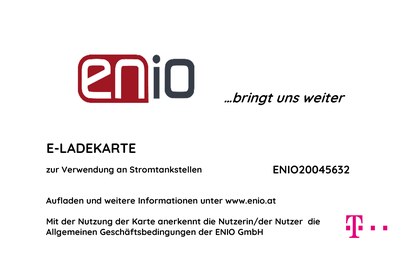
ENIO charging card
RoamingYour own or a white-label card, also at third-party charge points.
fixed priceThe price is set in the roaming contract and stays the same — regardless of time of day or energy price.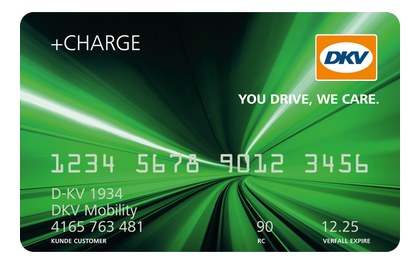
Roaming card
RoamingThird-party providers via Hubject and direct contracts.
fixed priceThe card provider decides what its customer pays. You receive the bilaterally agreed amount.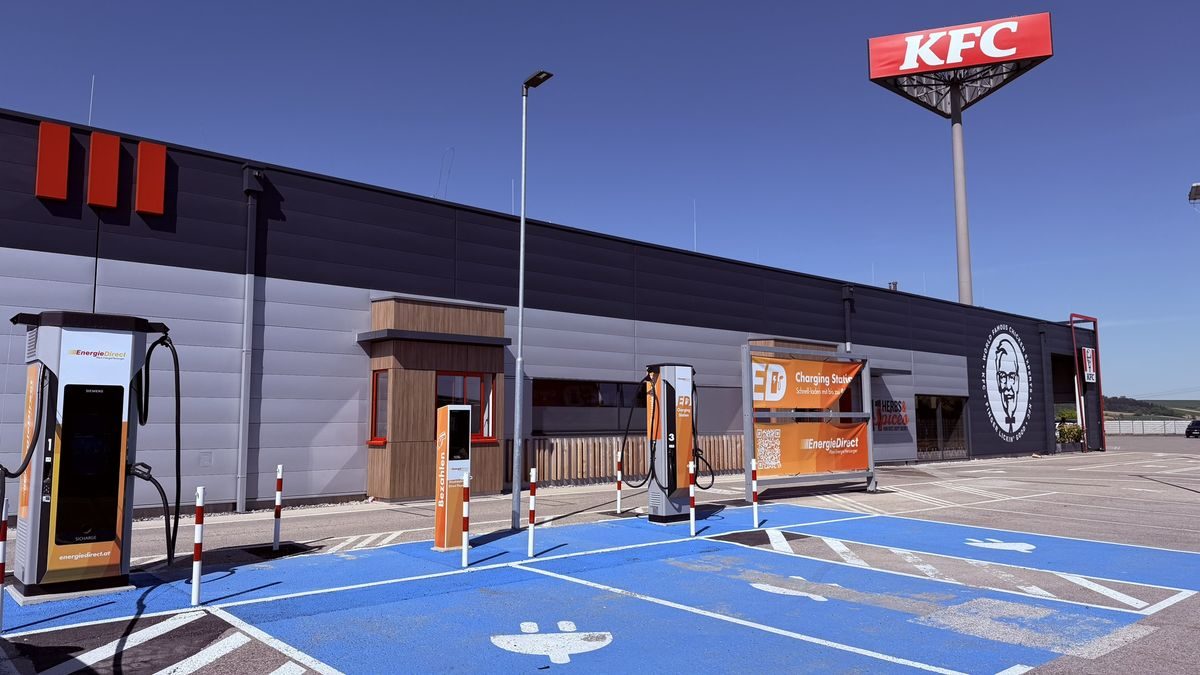
QR direct payment
no roamingPayment in the app, also for AC chargers without a display.
dynamic priceYou adjust the price in the backend at any time. When the PV system produces more than the site needs, you sell the surplus cheaply — which earns more than curtailing it.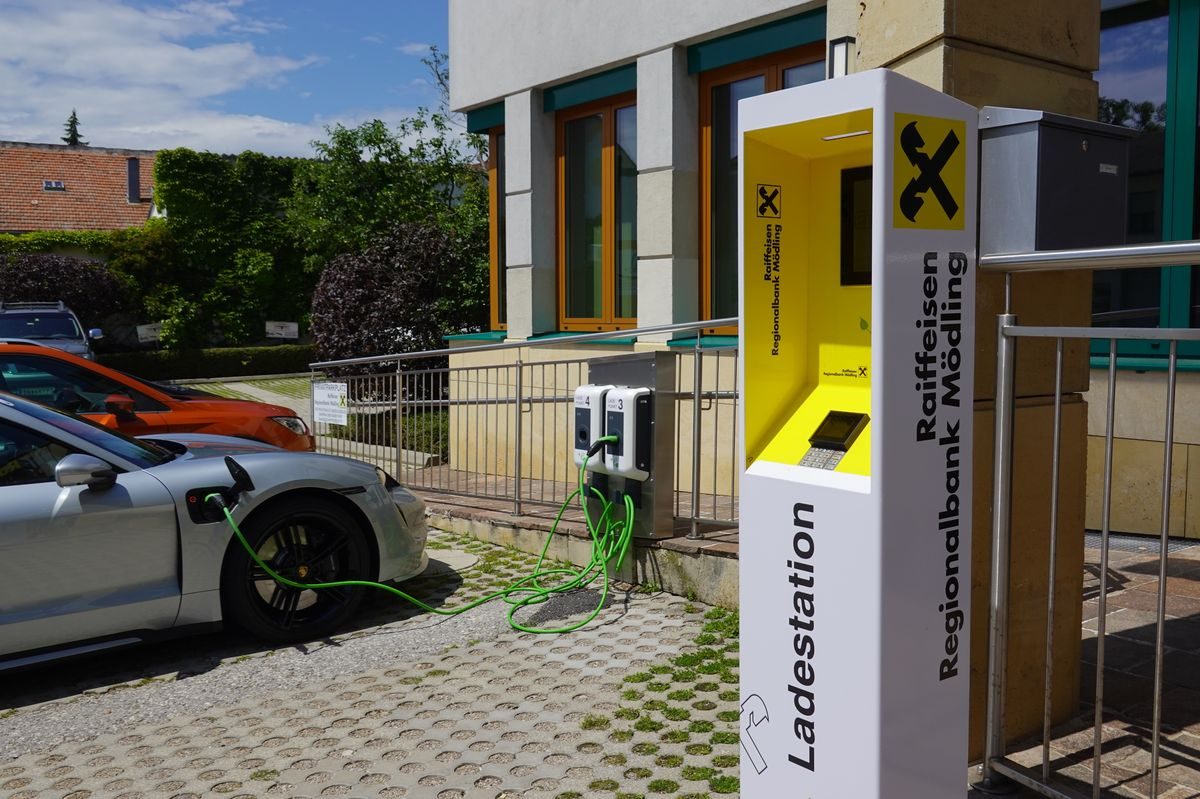
Debit card
no roamingENIO Payment Station, Apple and Google Pay included.
dynamic priceWith no roaming in between you set the price yourself. When power is in surplus you lower it and fill the charge points instead of curtailing the PV system.