
When the truck has to be full at 04:30
Depot charging is not car charging at a larger scale. It is a scheduling problem: limited grid capacity, fixed departure times, changing drivers and partners charging alongside you. ENIO provides the backend that solves all four at once — vendor-independently via OCPP.
What has to work together in a depot
ETSweb
The central microservice-based management platform for vendor-independent control of every charge point.
EniPublic
The billing module for individual tariffs — per partner, subcontractor or closed user group.
GHG quota
Automated settlement of every charging session with no extra effort in the depot.
EMS integration
Where a site needs more than load management, we integrate with any energy management system. The EMS controls the available power from grid, PV and storage — ENIO handles the billing of the charging sessions.
Two systems, one charging plan
In depot charging the charger does not decide. Two numbers do: how much power the energy management system currently releases, and when each truck has to leave the yard at what state of charge. The ENIO backend brings the two together and distributes the available power across the charge points accordingly — not evenly, but by departure time and target state of charge.
Plug and play instead of hunting for a card
Auto-charge identifies the vehicle by its ID when the cable is plugged in and releases the session. No RFID chip left in the cab, no QR code in the rain, no app install for a stand-in driver. Where a card is still wanted, RFID and the app stay available in parallel.
- Vehicle identification via ISO 15118 capable hardware or a stored vehicle ID
- State of charge is handed to the dispatch or telematics system
- Sessions are posted to cost centre, vehicle and driver
- CDR reports as the basis for your own re-invoicing
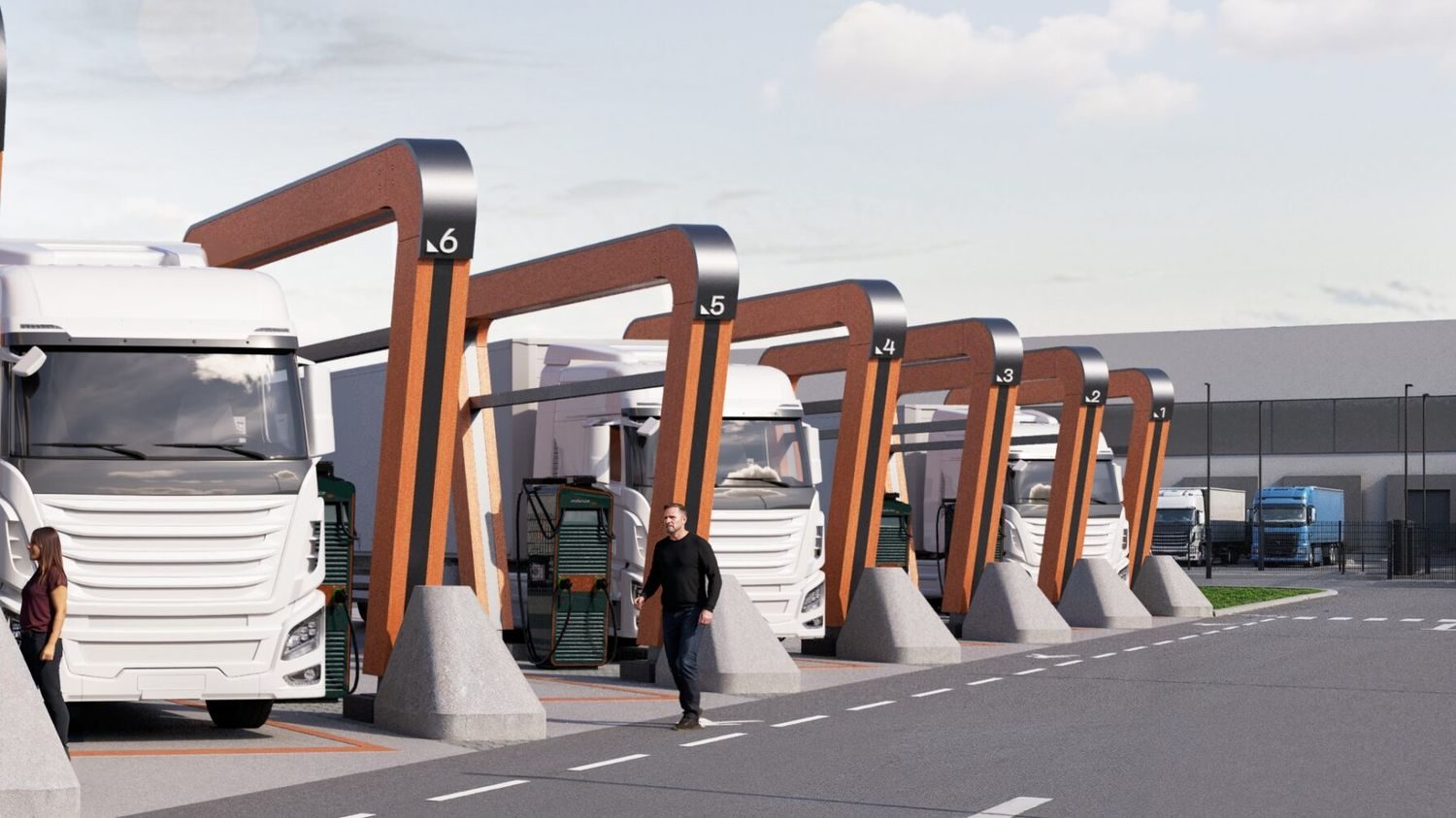
When the truck can actually leave
A vehicle does not charge evenly. The first percentages go in at full power; from around eighty per cent the battery throttles — the last twenty per cent take as long again as the first seventy. In the ENIO backend the charging curve of every session is visible, and the state of charge can be read automatically through the API.
Backend systems side by side
The software bundled with a charger is built to sell that charger — not to run a mixed depot with partner traffic.
| Feature | Typical hardware backends | ENIO backend |
|---|---|---|
| Hardware compatibility | Optimised for own hardware, third parties often limited | 100% vendor-independent, full OCPP support |
| Tariff and partner management | Usually rigid, focused on own use or standard roaming | Individual B2B tariffs and closed partner groups |
| Interface depth | Standard interfaces for depot operation | Freely configurable APIs for logistics and ERP software |
| Scaling | Tied to one manufacturer ecosystem | Expand at the best market price, any manufacturer |
Four groups at the same charging park
Payment routes and terms per user group — all through the same hardware.
Own trucks
no roamingAuthorisation by RFID card or auto-charge.
no paymentPartner hauliers
no roamingClosed user group with white-listing.
discounted tariffExternal businesses
RoamingSettled through roaming partners.
roaming price, fixedExternal private drivers
no roamingAd hoc by credit card or QR code.
dynamic priceSubcontractors
no roamingOwn tariff per contract partner, invoiced monthly.
special tariffMix whatever fits best on the market
ENIO controls every charge point uniformly via OCPP. You expand your depot by price and lead time instead of by manufacturer ecosystem.
Depots and charging parks running on ENIO
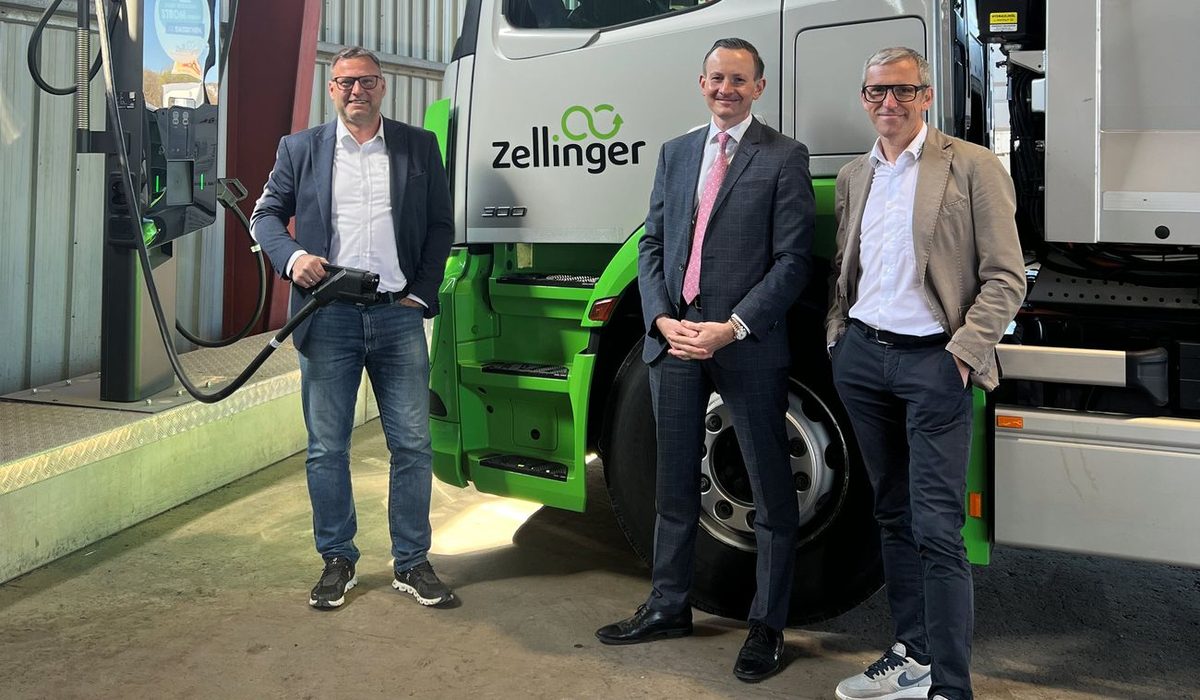
Zellinger
Transport and waste management: truck charging on site with different terms per user group.
Own trucks, partners and externals in parallel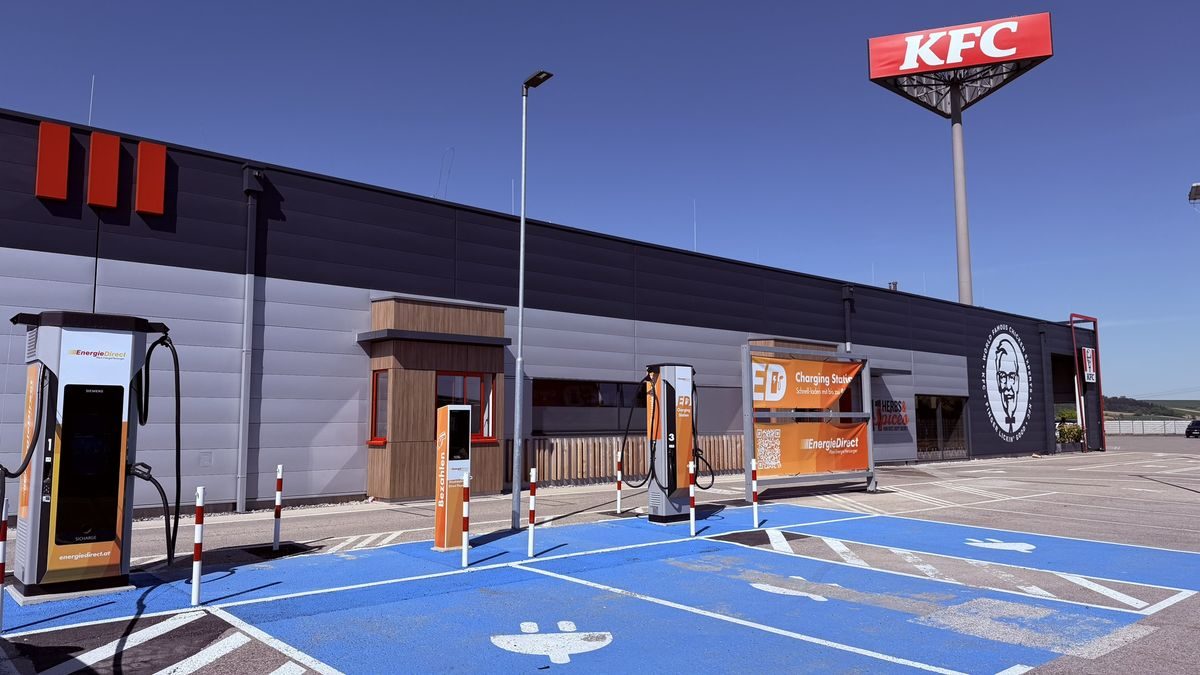
EnergieDirect, Loosdorf
Siemens power unit with dispenser and redundant payment station right at the motorway exit.
DC fast charging with ad hoc payment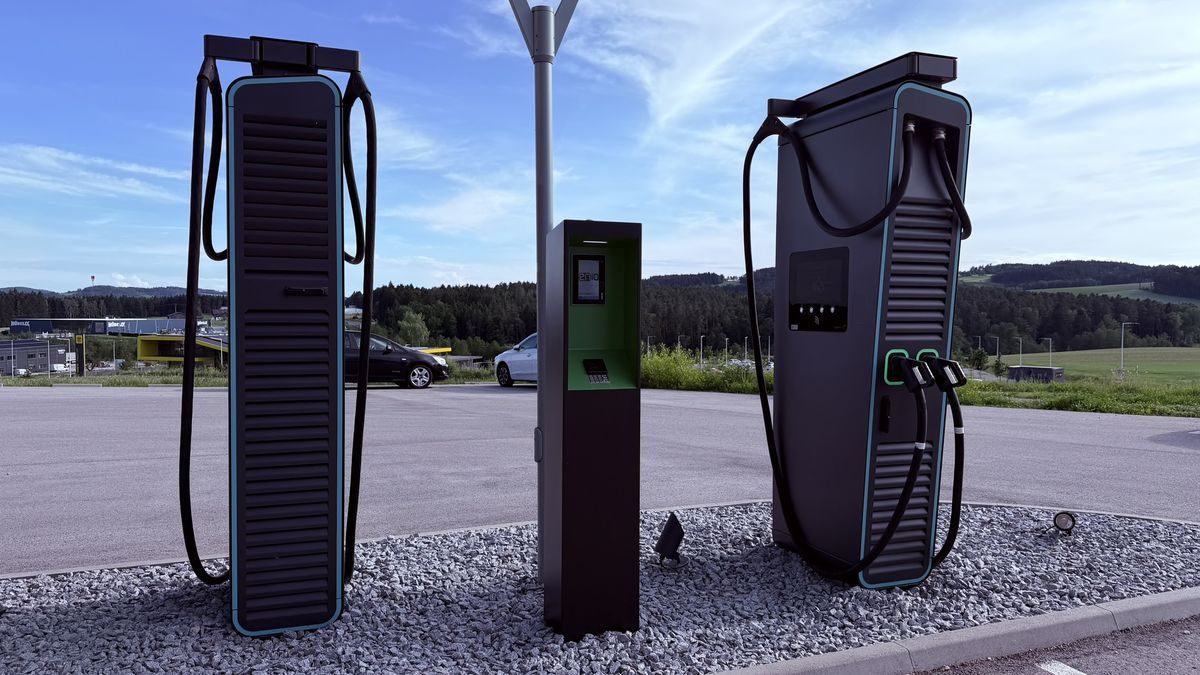
neoom, Freistadt
Charging park at the headquarters of our partner for storage, PV and energy management.
Storage, PV and charging optimised togetherTruck charging — questions from the field
Does auto-charge work with every electric truck?
Auto-charge requires the vehicle and the charge point to exchange a vehicle ID — via ISO 15118 or an identifier stored in the backend. Where that is not available, RFID cards and the app continue to work. In mixed fleets both routes run in parallel.
Can I run chargers from different manufacturers in the same depot?
Yes. ENIO controls any OCPP 1.6 and OCPP 2.0 capable hardware. Siemens, Alpitronic, Kempower and ABB can be mixed, AC and DC in the same network. That is the main difference from backends bundled with specific hardware.
How do I bill partner hauliers?
Through closed user groups. You store an individual tariff per partner and release the matching cards or vehicle IDs. Billing runs monthly through EniPublic, including receipts and VAT.
What if grid capacity is not enough for all trucks?
That is what load management is for. Available capacity is distributed according to a load profile and individual vehicles can be prioritised. In the worked example with 100 charge points the required grid capacity drops from 2,200 kW to 150 kW.
Can I get charging data into my ERP or dispatch system?
Yes, through REST APIs. ENIO runs integrations into SAP, dealer management systems and energy portals. For logistics software the interfaces are configured per project — including state of charge per vehicle.
How many trucks, which departure times?
With those two figures and your grid capacity we calculate which hardware you need and what operation will cost.